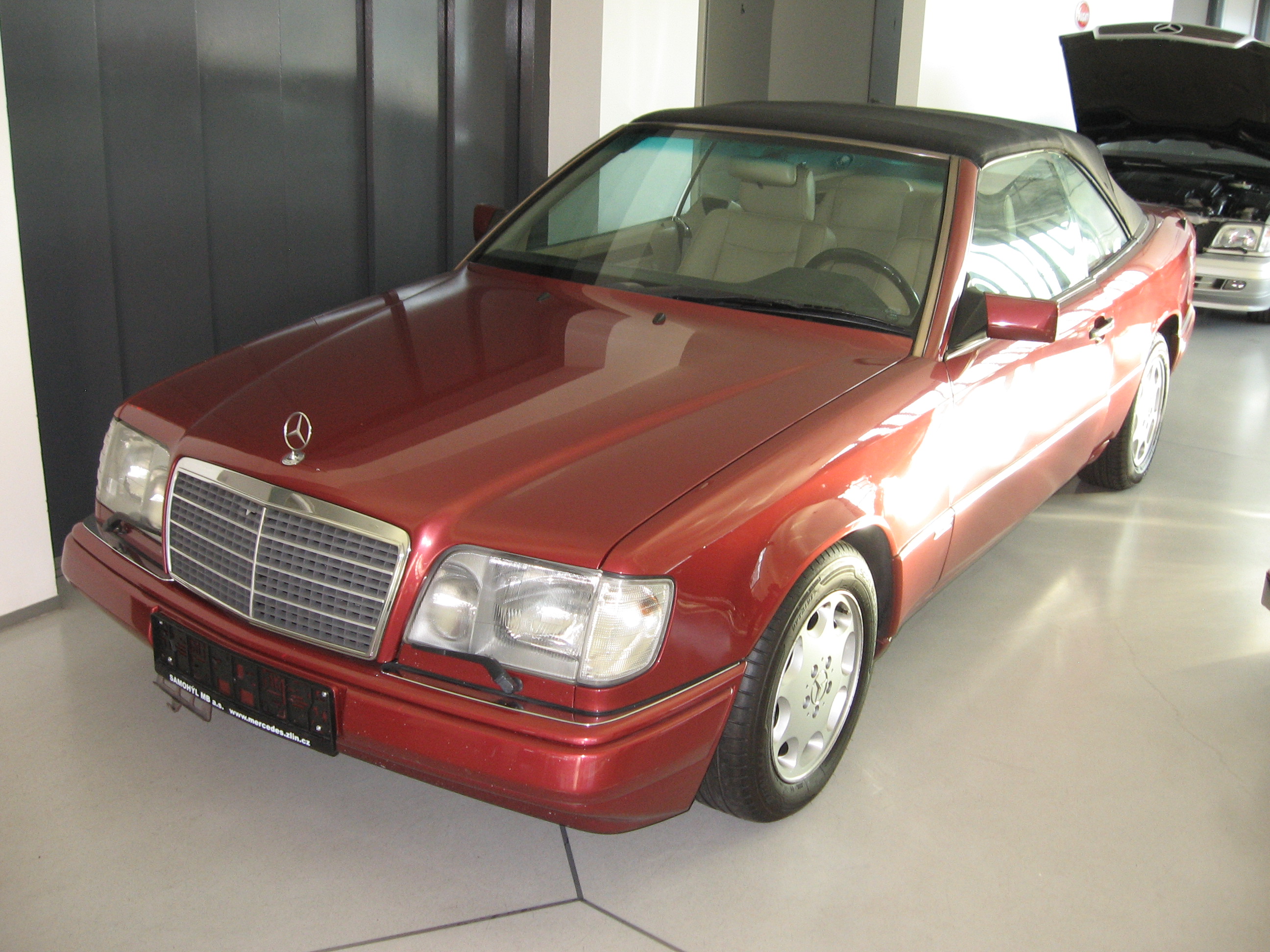
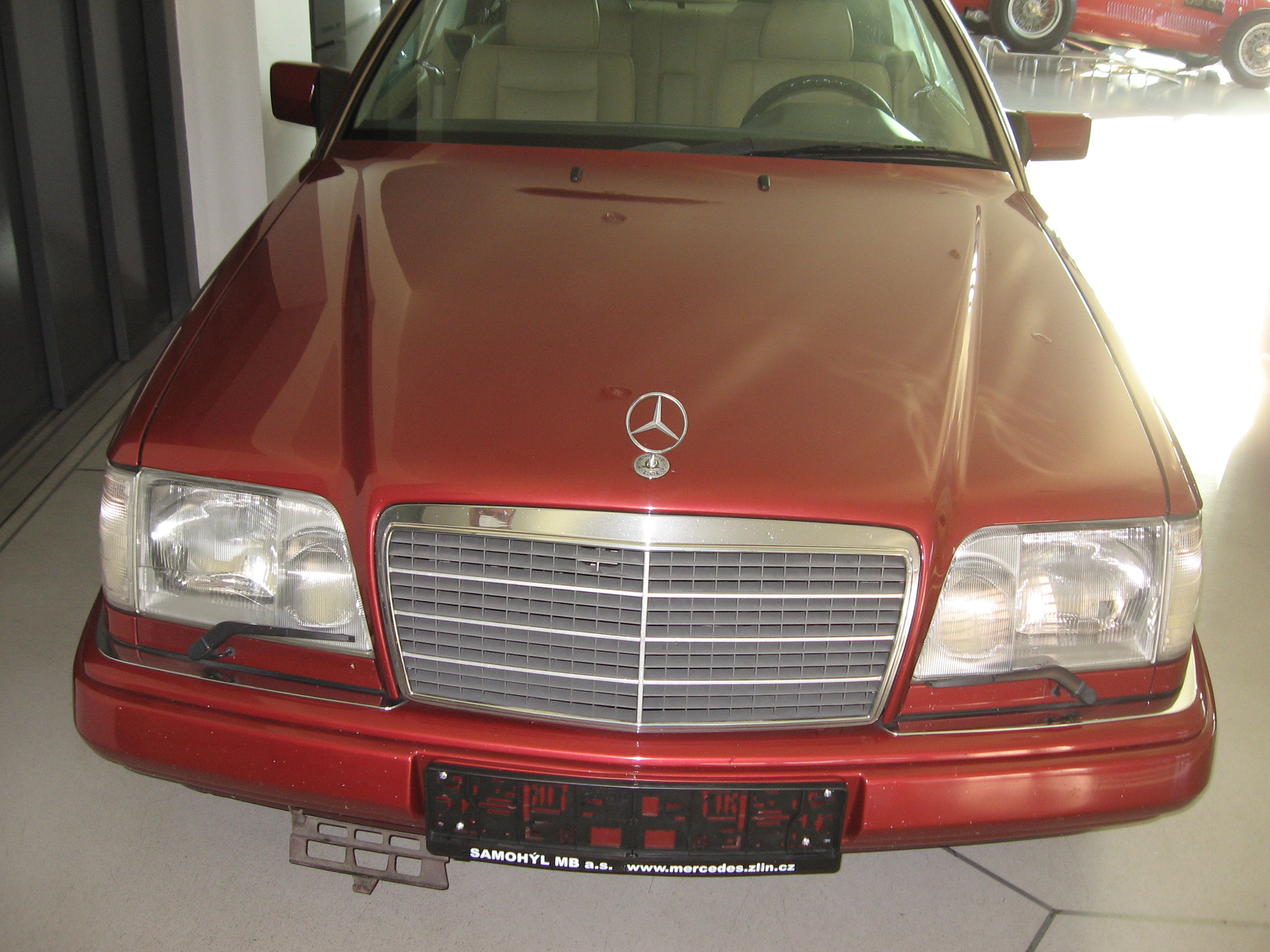
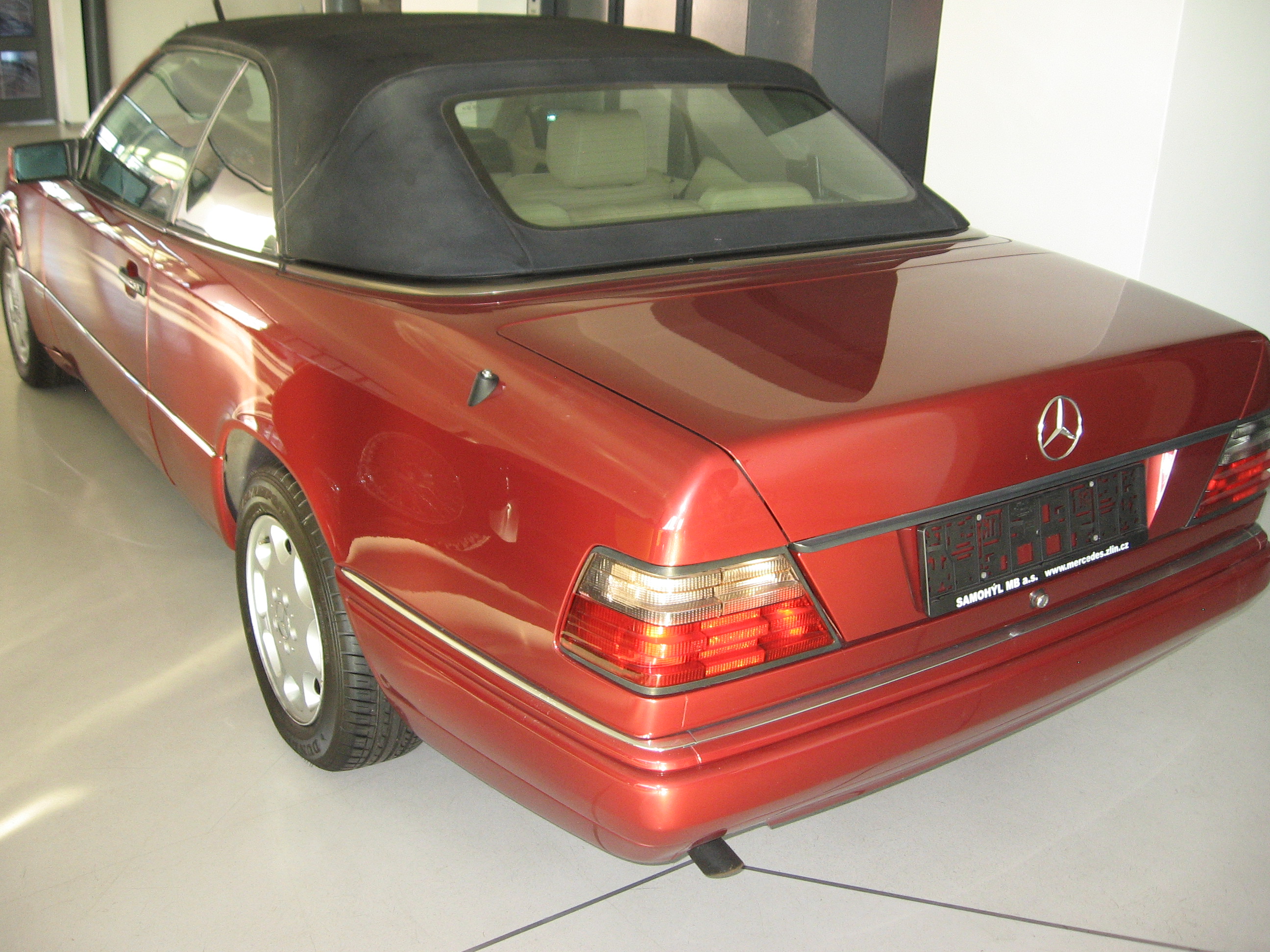
Mercedes Benz E220 W124
Year of Manufacture: 1993
Power: 150 hp
Engine Displacement: 2,199 cm3
Number of Cylinders/Valves: 4/4
Weight: 1,640 kg
Condition:
Catalog Number: 43
The Mercedes-Benz E-Class, internally designated as W 124, ranks among the most successful model series in the history of Mercedes-Benz. It was introduced to the market in 1985, and its production officially ended in 1997. A total of an incredible 2,562,143 units were produced in all variants.
This car belonged to the mid-size segment and was gradually produced in sedan, estate, coupé, and cabriolet versions. It featured the full range of engines—from basic four-cylinder carbureted petrol engines to the top-tier V8 engine in the 500E version. It also included all diesel engines produced by the company at the time. Some vehicles were equipped with four-wheel drive under the 4Matic designation, marking its debut with Mercedes-Benz. Even during development, great attention was paid to innovation, with the goal of setting a new standard in automotive design. It had outstanding aerodynamics and utilized chassis constructions previously reserved for higher-class vehicles. It excelled in safety and was renowned for its incredible reliability, owed to its precise workmanship, materials, and technology. Even today, the timelessness of its overall design is clearly evident.
And the most interesting model from the W 124 range? Without a doubt, the 500E sedan with a 5-liter V8 engine and 32 valves. Hidden in this inconspicuous sedan was a true sports car with excellent capabilities. Interestingly, Porsche collaborated on the development and production of this model, which says it all.
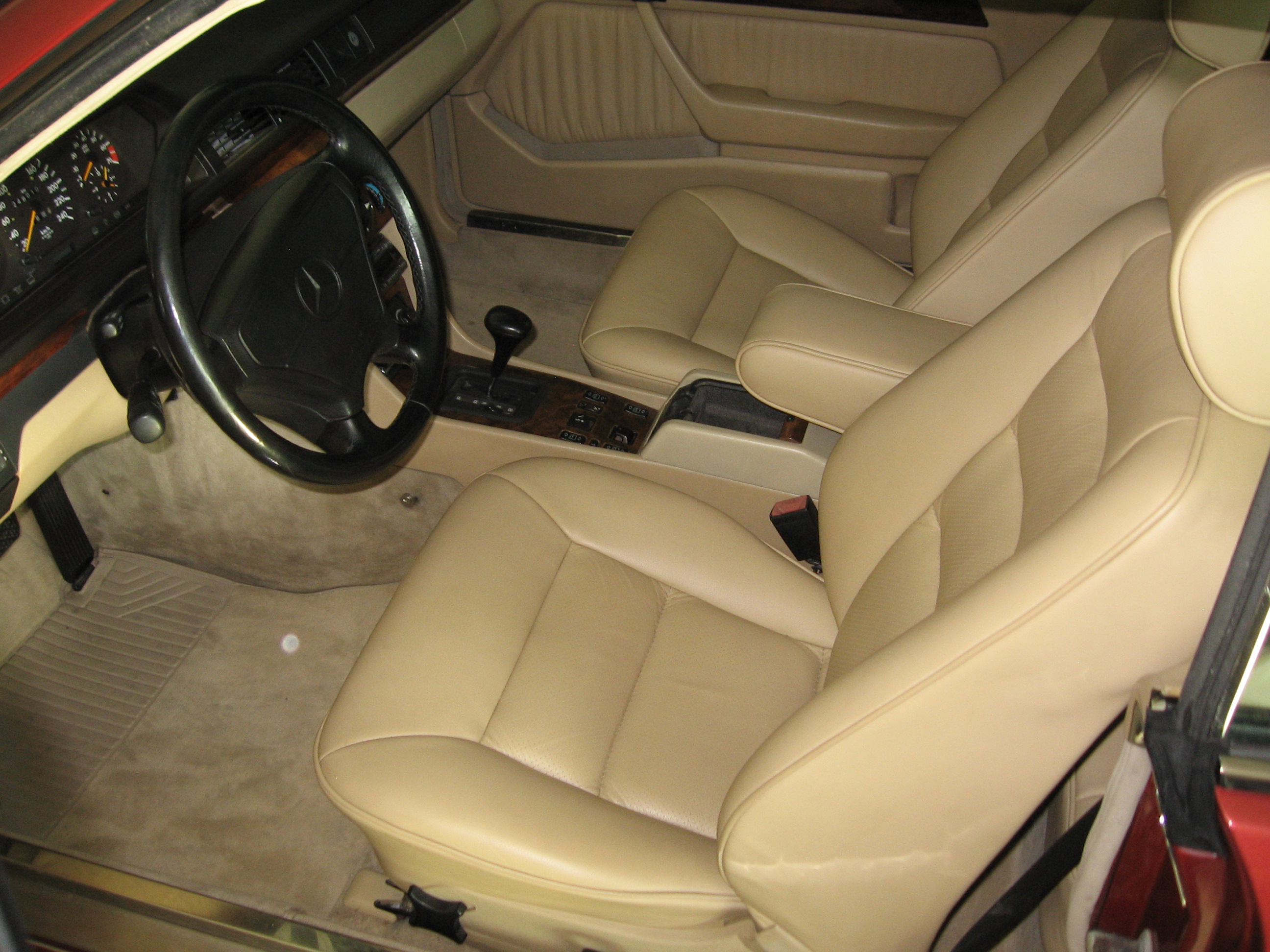
The chassis construction, even in standard versions, was among the best, and it was further improved in the 500E. Double wishbones in the front and elastokinematic five-link suspension in the rear. Even today, it’s hard to find anything better in this class. It provided a perfect foundation for building a high-performance model, which the 500E undoubtedly proved. Sitting in its superbly crafted interior, starting the engine, and driving off was a dream for many people in the early 1990s. On the road, the car felt rock-solid, like carved from granite. The chassis delivered excellent contact with the road while still filtering out bumps smoothly. It’s no wonder this car is considered the pinnacle of German engineering of its time. The overall workmanship is extremely precise.
The 500E could accelerate from 0 to 100 km/h in just 5.5 seconds. The engine not only delivered contemporary performance but was also technically advanced. It was fully aluminum, had variable intake valve timing, and featured a CAN-Bus control unit. Gear shifting was handled by a four-speed automatic transmission. Not all technical innovations were well received, however—until 1994, for example, the traction control system could not be deactivated, which understandably annoyed enthusiastic drivers.
Production of a single 500E took an honest 18 days, and due to strict quality control and the complexity of production, the car cost a hefty 2.5 million CZK when new—yet it still didn’t yield a profit.
And the cabriolet version? It debuted in September 1991. This four-seater cabriolet was the first of its kind in the series after nearly two decades. Designated with the code A124, it was structurally based on the coupé. The major weakness of open-top cars—chassis flex—was addressed using four vibration dampers. The entire body was reinforced and extensively modified.
As the cabriolet lacked both B and C pillars, the A pillars had to be appropriately reinforced. Roll-over safety was provided by a special system with two deployable segments behind the rear seats, which also served as headrests. If the electronics detected an imminent roll-over, the system would activate in just 0.3 seconds. These headrests could also be manually raised by the driver.
The convertible roof consisted of 27 parts and 34 joints, yet when folded, it took up only 80 liters of trunk space. Unless the owner paid extra for the electrohydraulic operation, the roof had to be operated manually. Initially, only the 300 CE-24 Cabriolet version was produced, starting in 1992. Later, other engine variants were added. Even by today’s standards, it remains a very beautiful and distinctive car.
Owners of W 124 series cars fondly remember them, and for many, they represent the last truly honest mechanical car before the rise of modern electronic and electric features in today’s vehicles.