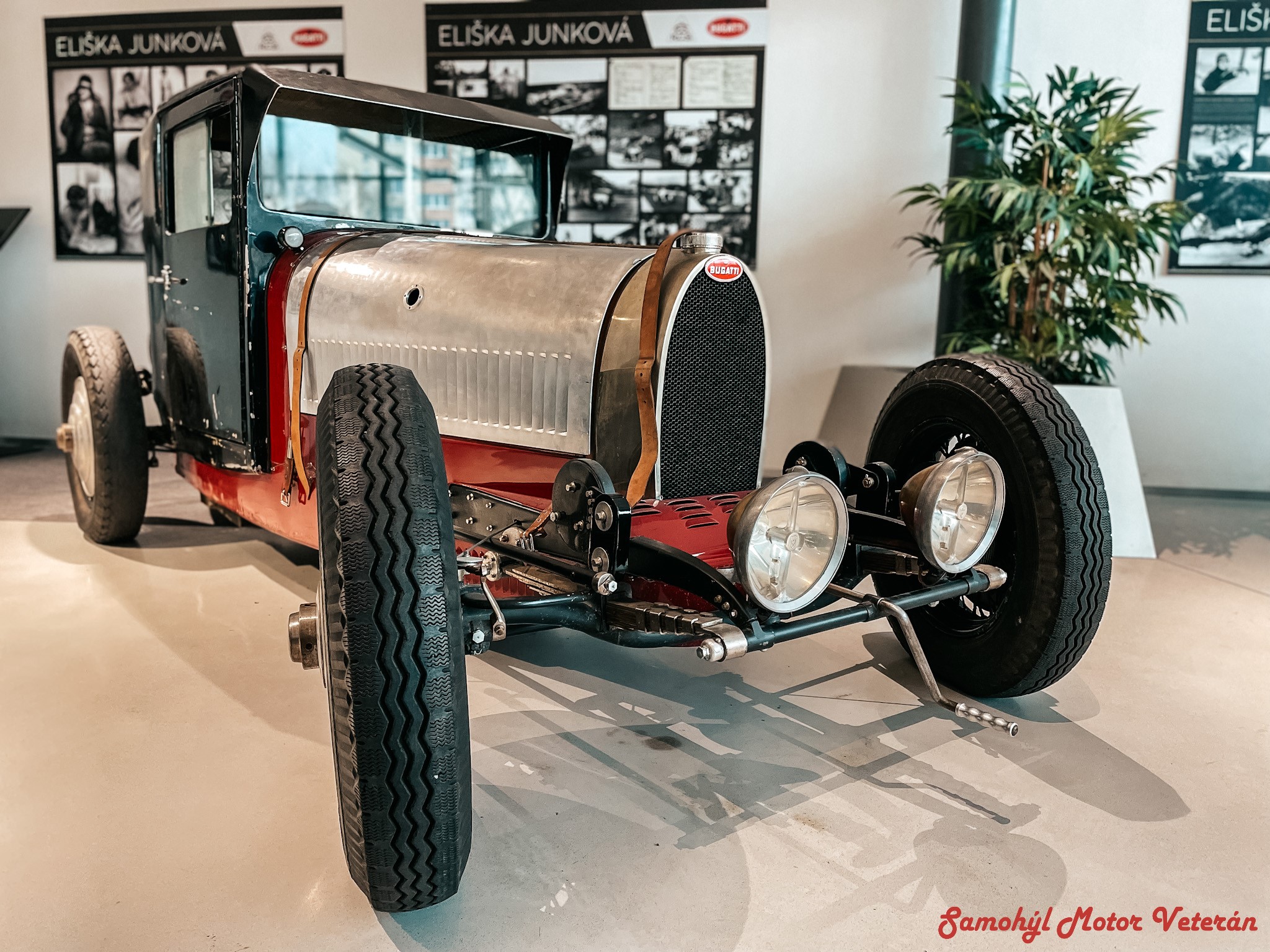
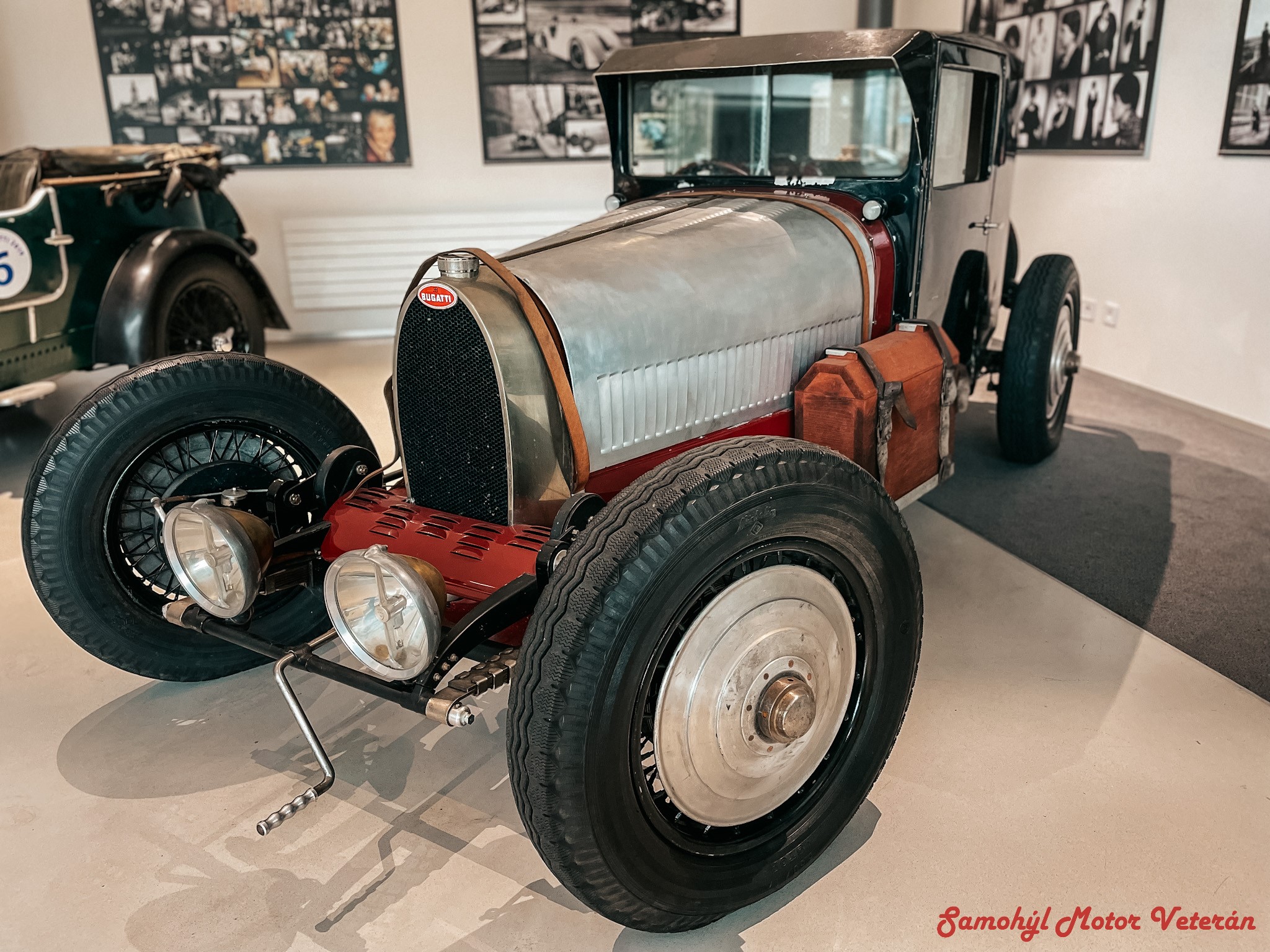
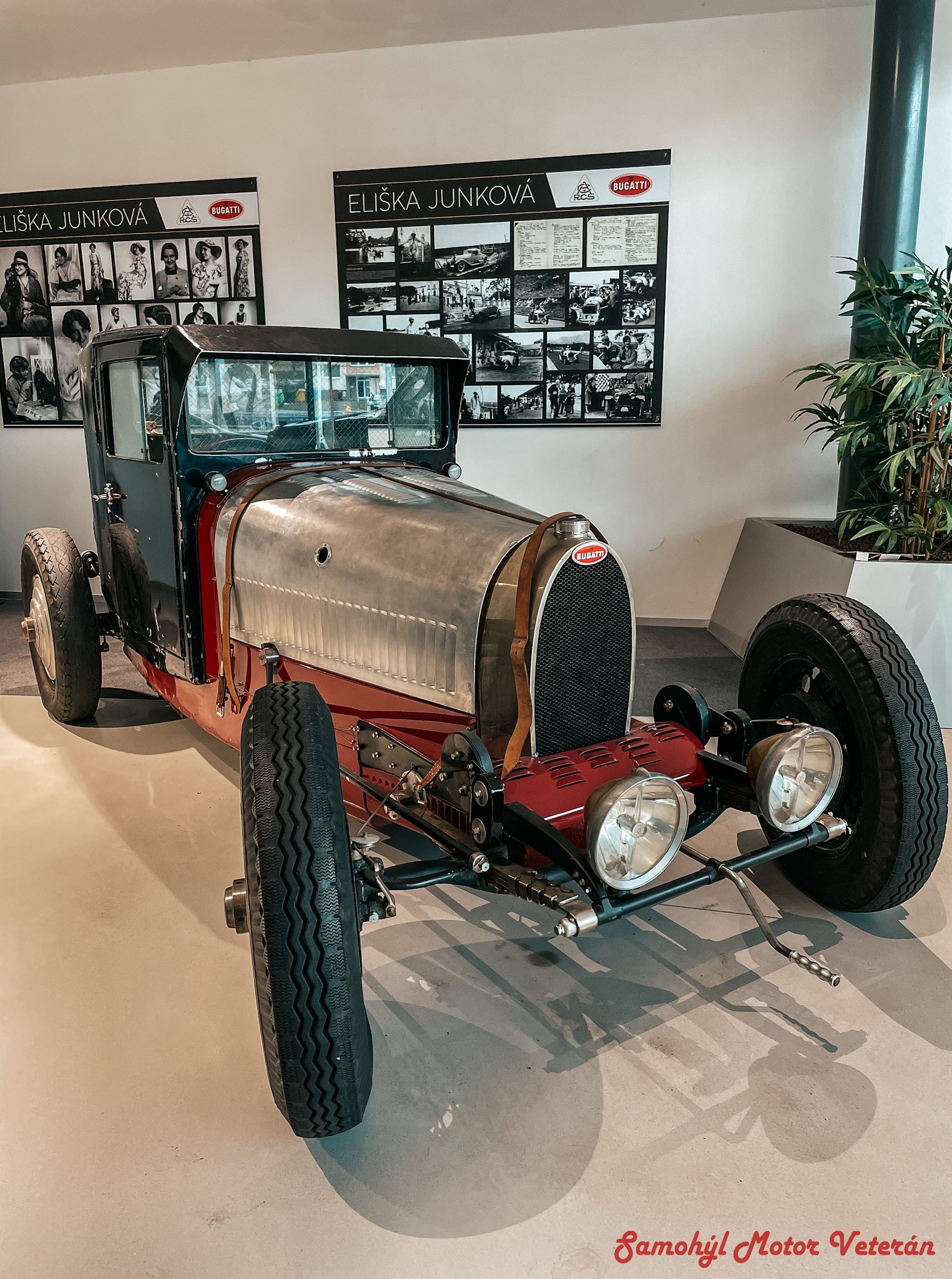
Bugatti La Mouche 37 A
Year of Manufacture: 1926 Power: 90 hp Displacement: 1,496 cm3
Number of Cylinders/Valves: 4/3 Weight: 700 kg
Condition: Catalogue Number: 62
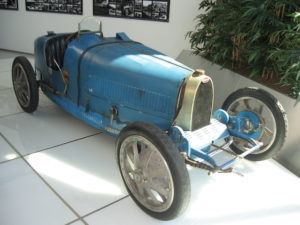
Type 37 was derived from the more famous eight-cylinder Type 35 from 1924, which is still considered the most beautiful racing car of all time. However, with the newer Type 37, Ettore Bugatti gave private racing drivers the chance to acquire a quality racing car at a relatively affordable price. The Type 35 was a racing special and thus very expensive. At that time, anyone wanting to race privately with a Bugatti had to have a lot of money. The “37” followed the path of simpler technical solutions and cost-saving production methods, making it accessible to amateur drivers who wanted to experience real racing. The commercial success of this model proved the correctness of this approach. About 290 units of the Type 37 were produced, including 67 units of the supercharged 37A. However, figures vary across sources.
Technically, it was a typical Bugatti, similar to most models. The inline four-cylinder 1.5-liter engine with two intake and one exhaust valve was available either supercharged (37A) or naturally aspirated (37), producing 90 hp at 5500 rpm or 60 hp, respectively. The chassis featured rigid axles: the front axle was sprung by longitudinal semi-elliptical leaf springs, the rear by quarter-elliptical springs. A special feature was the forged hollow front axle through which the leaf springs passed — a technically demanding but beautiful solution. The brakes were mechanical with compensation for braking force on all wheels. In the late 1920s, it was among the best racing cars in the up to 1.5-liter category.
The Story of Our Car in the Collection:
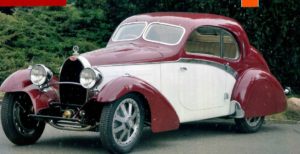
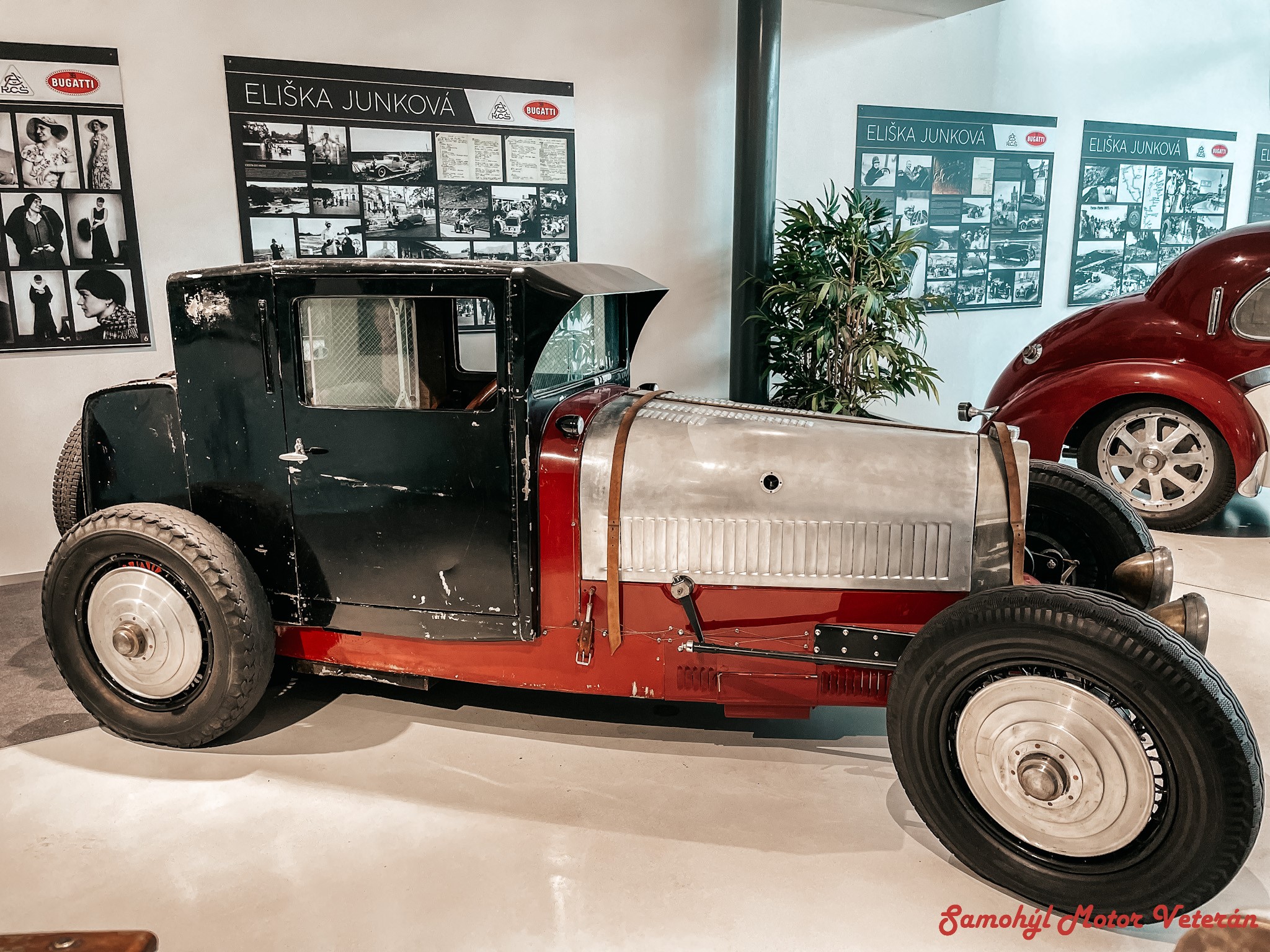
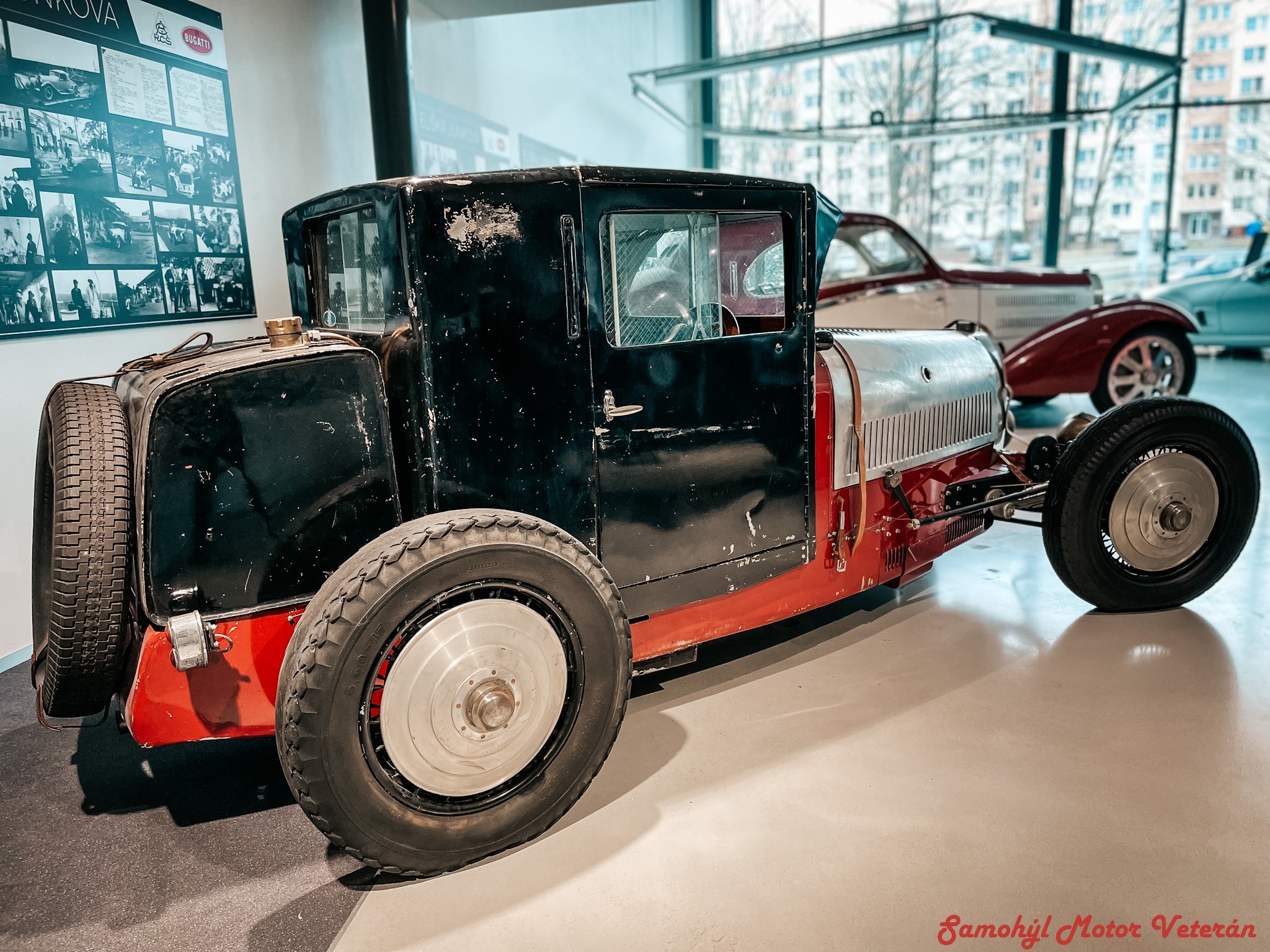
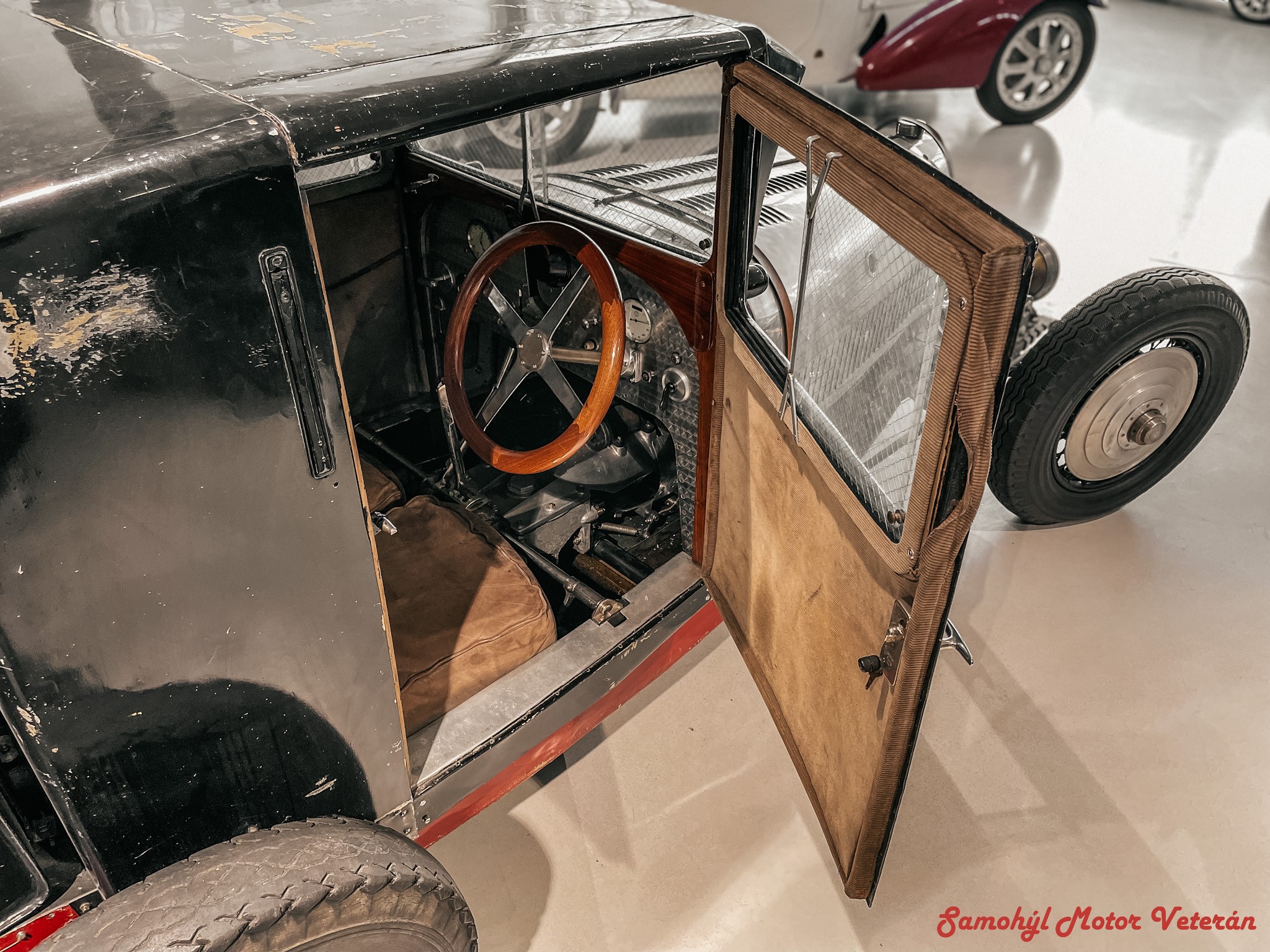
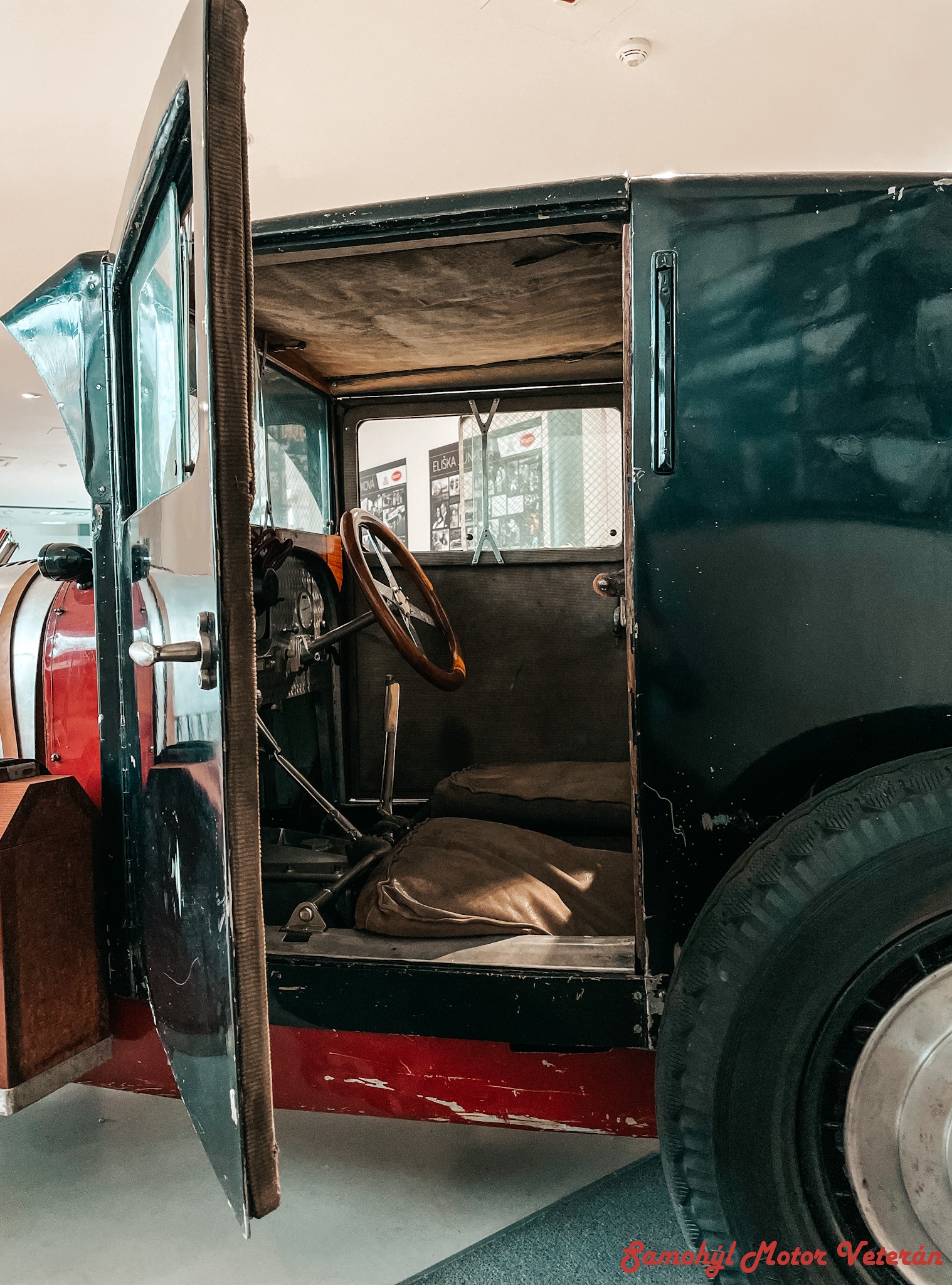
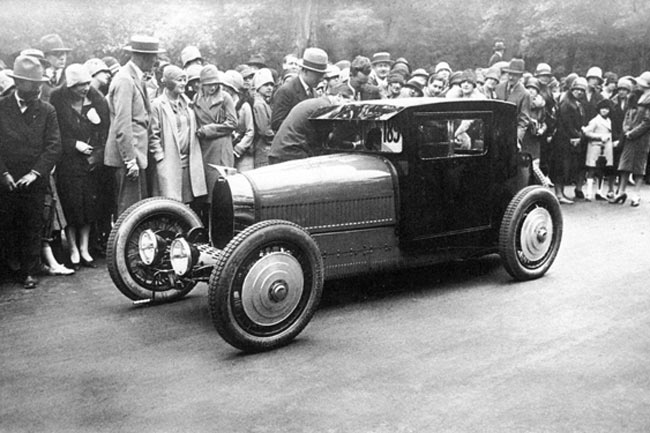
Since this is the only produced example with this body style — a precursor to the famous Coupe de Napoleon bodies — this car is a historical and collectible rarity.
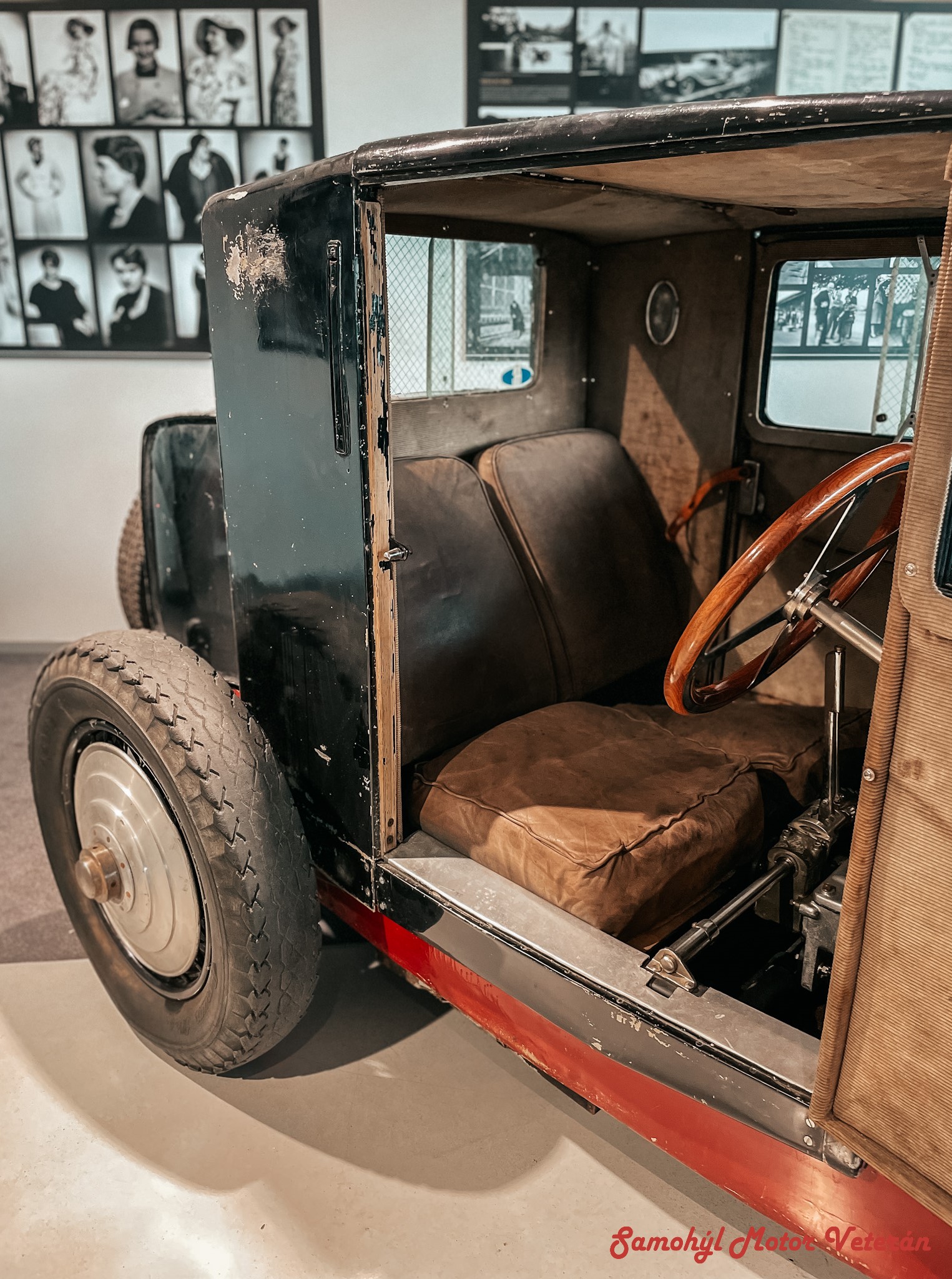
Technically, it is a two-door, two-seat coupe. The engine is an inline four-cylinder with a displacement of 1496 cm³, equipped with a supercharger producing 90 hp, making it the more powerful variant than the 37A. The car can reach a top speed of up to 180 km/h.
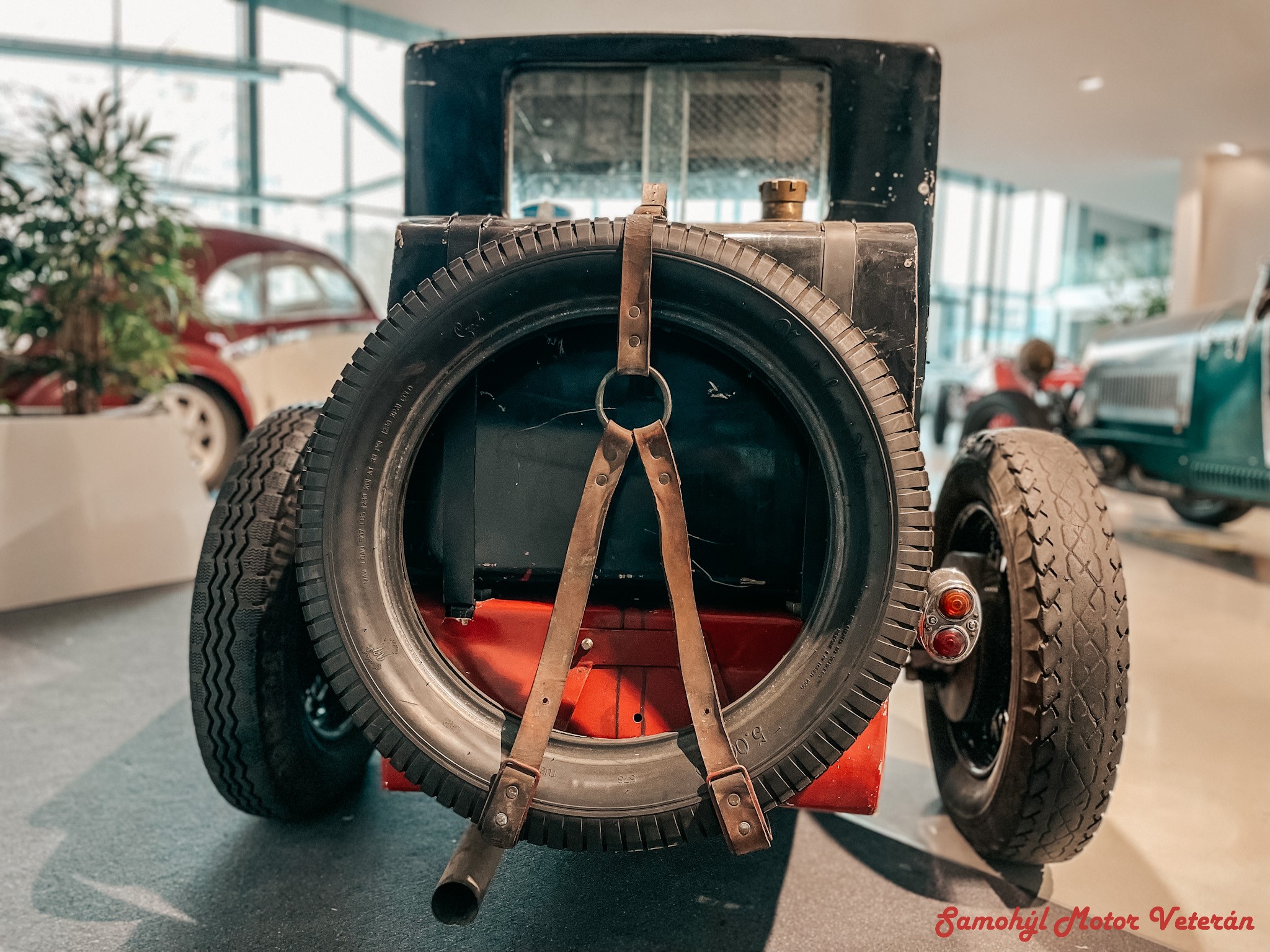
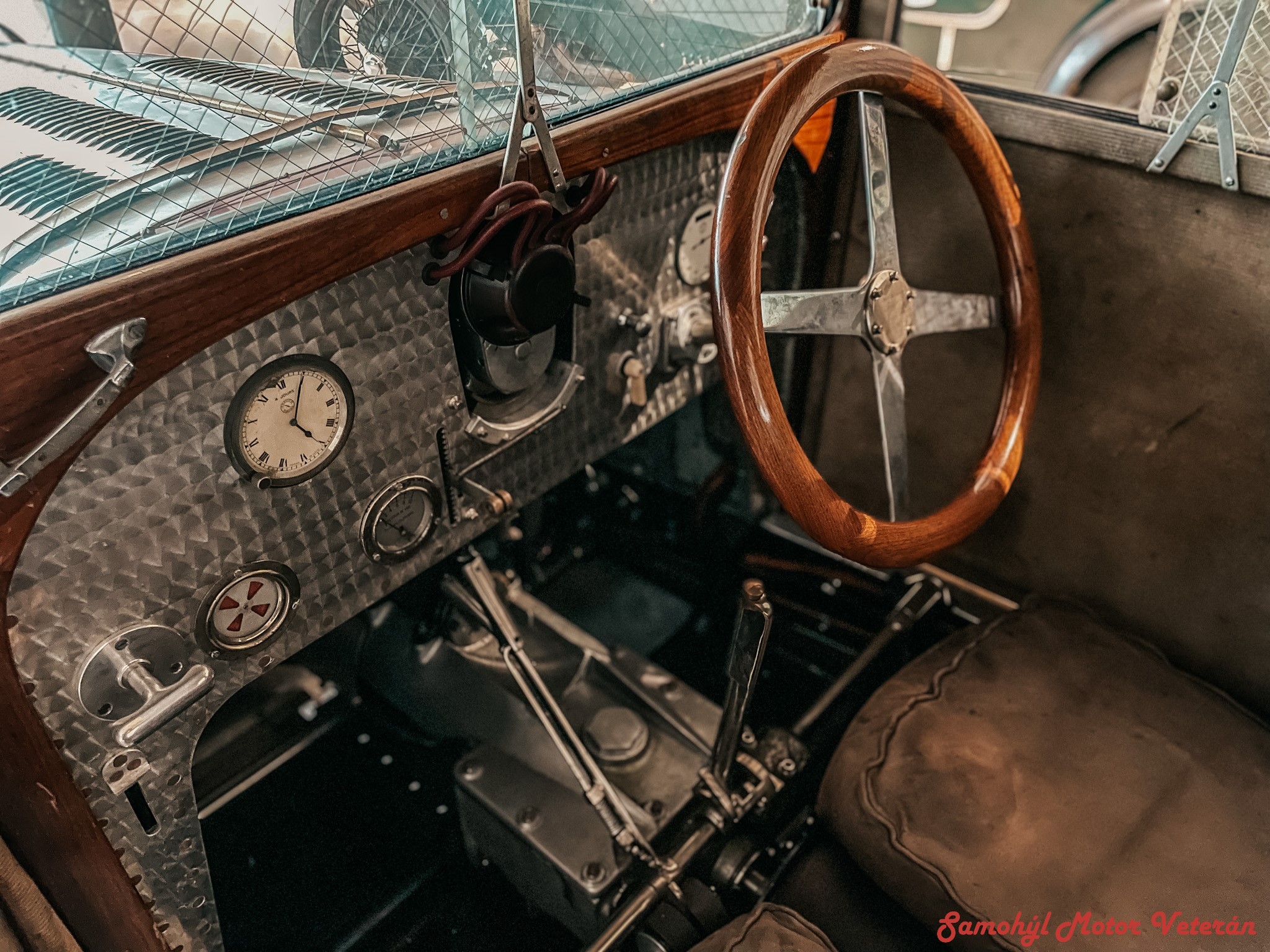
The chassis was manufactured in 1926 and sold to Paris. A unique body was then designed and mounted on this chassis by the company Milion–Guiet. The body was designed by Jean Antoine Augustin de Vizcaya, who patented it. The first owner in 1927 was the Brazilian ambassador in Paris, Count de Souza Dantas. The car’s body, known to many as “La Mouche” (the Fly), offers little comfort since it is built on a racing chassis. This gave the car great power and speed for its time compared to other commonly produced cars. The entire body is made of aluminum. An interesting feature is the removable roof section, which can be stored behind the seats, creating a “semi-convertible.” The upholstery is made of corduroy and leather. From today’s perspective, the car looks miniature, and it is difficult to sit comfortably inside, let alone travel in it. Traveling in this car was probably a small adventure, but many enthusiasts today would give a lot for such an experience, despite fully comfortable cars with all modern equipment, electronics, and comfort. Of note is the large fuel tank mounted behind the cabin, secured by straps and with a separate spare tire fastened on top by leather belts — a fantastic solution from today’s viewpoint.
The car itself has had a turbulent and complicated history, including being rebuilt and restored. In incomplete condition, it eventually arrived in the Czech Republic in the 1990s and was restored to its current, almost original condition in the workshops of the Samohýl company. It is now a highlight of our Bugatti car collection.