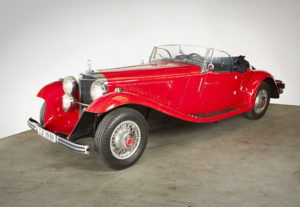
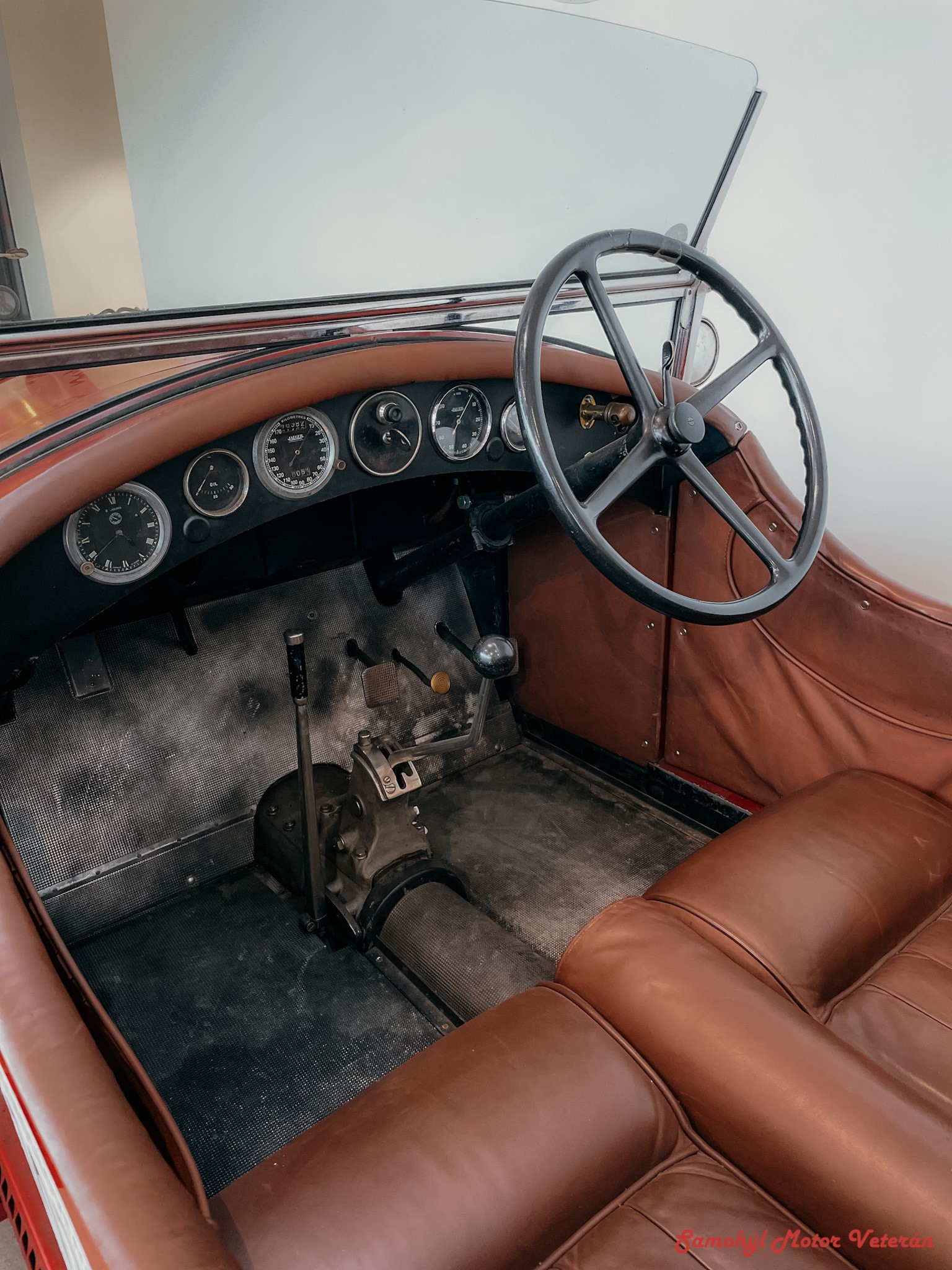
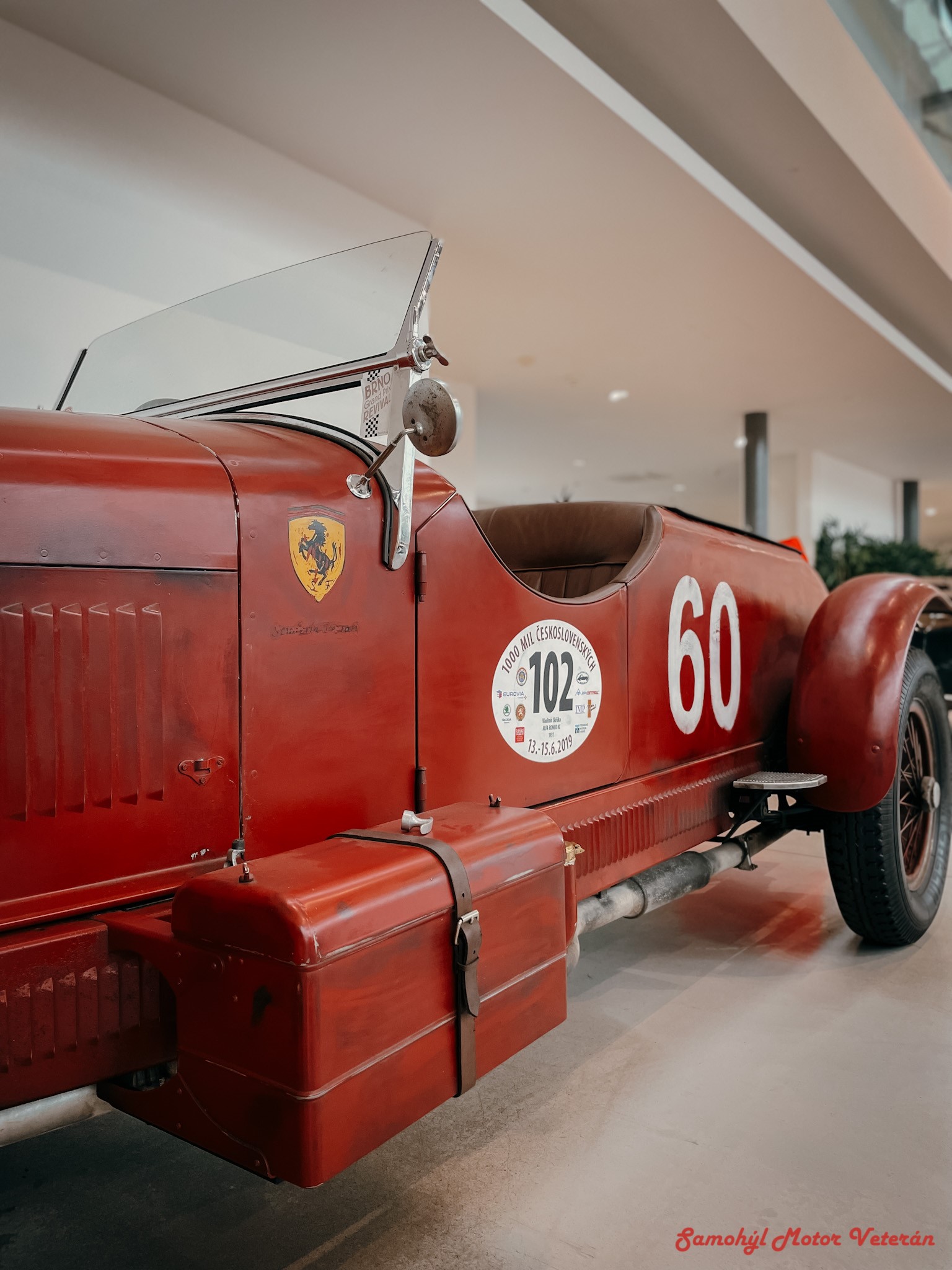
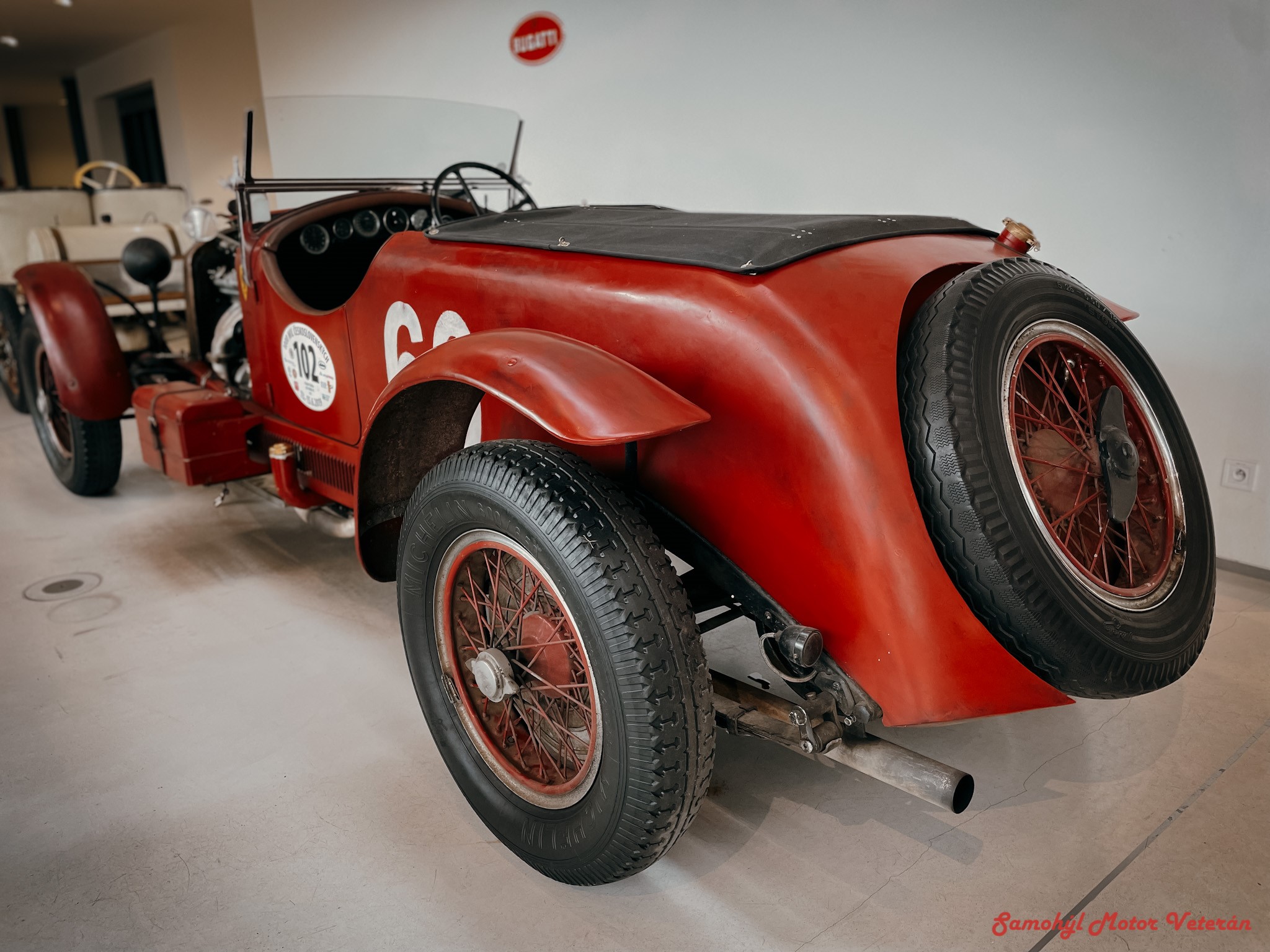
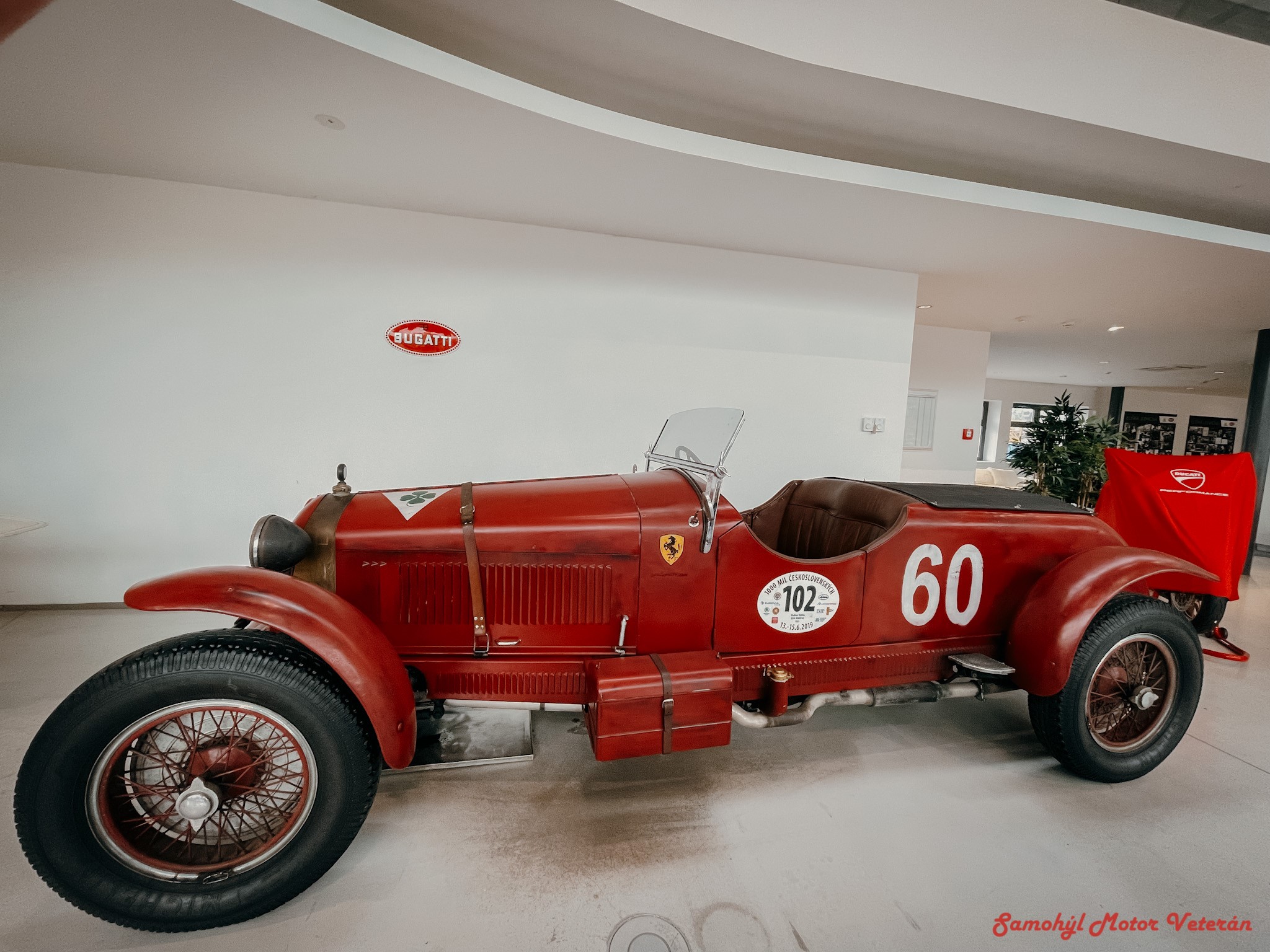
Alfa Romeo 8C 2300
Year of Manufacture: 1931
Power: 200 hp
Displacement: 2,336 cm3
Number of cylinders/valves: 8/2
Weight: 1,000 kg
Condition: drivable
Catalog Number: 262
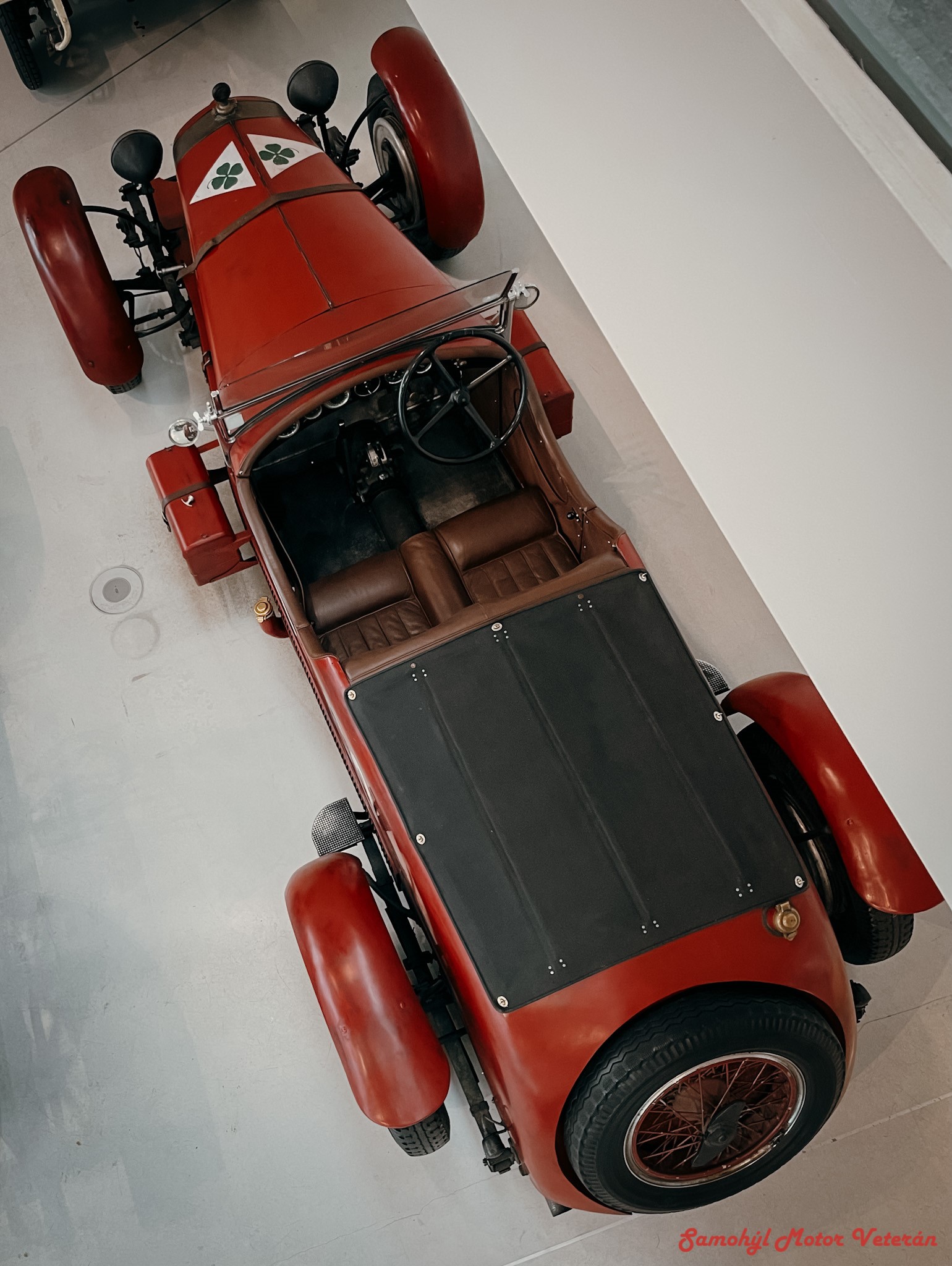
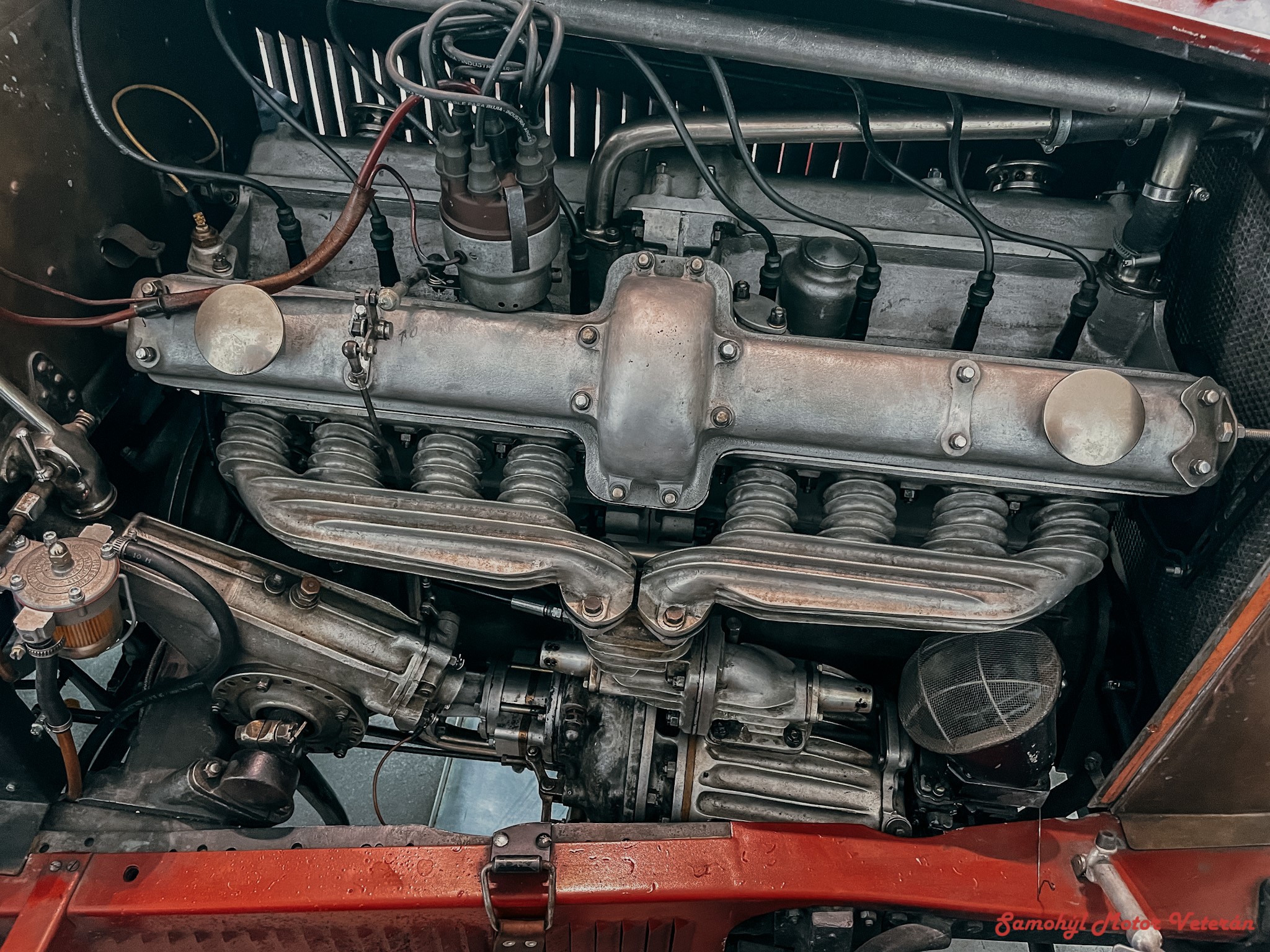
Sport and racing cars Alfa Romeo 8C 2300 were iconic racing and sports specials in the 1930s and have left an indelible mark in motor history. These cars were powered by 2.3-liter inline eight-cylinder DOHC engines. They achieved numerous victories in races such as Le Mans, Mille Miglia, Targa Florio, and Grand Prix events.
Alfa 8C was designed by the famous genius engineer Vittorio Jano in 1930. The inline eight-cylinder engine with a very long hood was supercharged. The original engine produced around 165 hp, but over time the power of the 8C engine was increased. A special feature of the engine is the split crankshaft.
The first 8C engine debuted in 1931 at the Mille Miglia road race in the Alfa Romeo 8C 2300. The pair Tazio Nuvolari – Battista Guidotti finished 9th (won by Caracciola in a Mercedes SSKL). The inline eight-cylinder had a common crankcase now divided into two four-cylinder blocks including cylinder heads. The bore and stroke were the same as the six-cylinder 6C 1750 engine, so it used the same pistons and connecting rods. The 8C engine did not have a detachable cylinder head, which avoided head gasket issues but made valve maintenance difficult. By increasing bore and stroke, the engine displacement eventually rose to 2905 cm3, which powered Alfa Romeo 8C 2900 sports and touring cars from 1936 to 1941.
Originally, Alfa Romeo did not plan for the 8C 2300 models to be sold to private customers, but eventually made 188 chassis in Lungo (long) with a 3099 mm wheelbase or Corto (short) with a 2751 mm wheelbase, on which coachbuilders Zagato, Touring, Castagna, Pinin Farina, and Brianza built bodies. In addition, Alfa Romeo made their own bodies. Several chassis were “dressed” by Swiss coachbuilders Graber, Worblaufen, Tuscher, and also French Figoni. The shortest 2649 mm wheelbase chassis (Monza) were intended for racing cars. Some racing cars were converted by Alfa Romeo into touring cars and sold to customers.
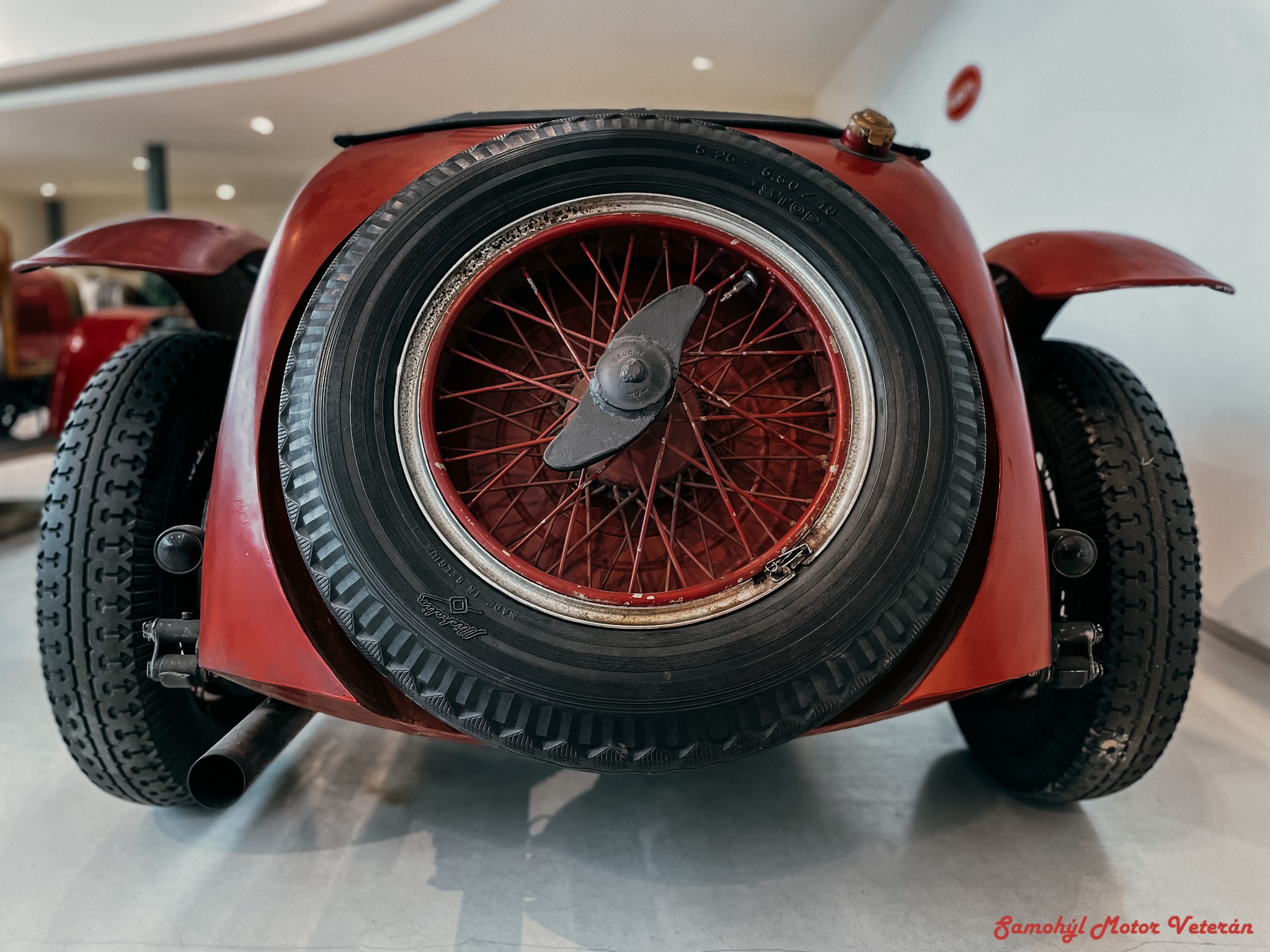
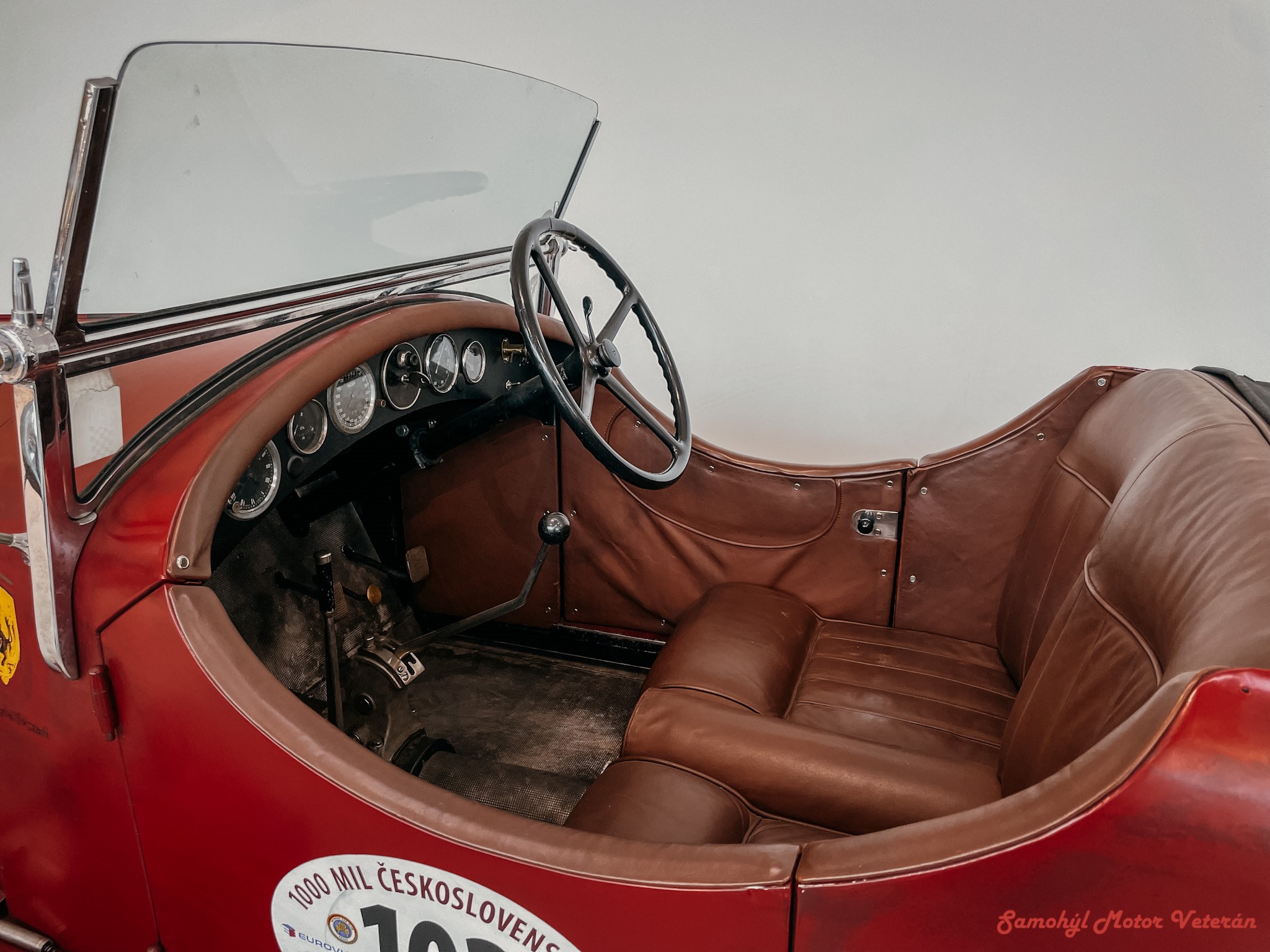
The 8C 2300 Spider Corsa, also called the “Corto Mille Miglia,” had a two-seater Touring body. In front of the traditional Greek temple-shaped radiator were three headlights and at the rear two partially covered spare wheels. The front and rear fenders were elegantly connected by running boards. Small doors had cutouts allowing the driver to stick elbows out while cornering. The car had a frameless front window with two side windows.
The Mille Miglia name was given to the car after its success in the “1000 miles” race in 1932. In 1933, Alfa Romeo 8C 2300 cars finished first eight places at Mille Miglia, mostly with Italian crews. Nuvolari with Compagnoni won. The racing 8C 2300 Spider driven by Tazio Nuvolari won the 1931 Italian Grand Prix at Monza, with the team Minoia – Borzacchini finishing second. In honor of this success, the two-seater Spider was named Monza.
Prospero Gianferrari, Alfa Romeo’s general manager in 1931, decided to conquer the prestigious international 24 Hours of Le Mans race. To meet the rules, he chose a four-seater long-wheelbase car with an open Touring Spider Corsa body. The rear seats were covered with a tarp during races, and the front windshield was foldable.
The Alfa Romeo 8C 2300 Le Mans convertible weighed exactly one ton, was less than 4 meters long, and 1.65 meters wide. The DOHC inline eight-cylinder engine with 2,336 cm3 displacement and Roots supercharger produced 155 hp (114 kW) and could reach speeds of up to 200 km/h. Later, its power was increased to 200 hp. From 1931 to 1934, only nine Le Mans versions were built, differing in details (e.g., shapes of battery and tool boxes).
The 8C 2300 Le Mans earned its name thanks to its unique success at the 24 Hours of Le Mans in France, winning four times in a row between 1931 and 1934 with different crews, and in 1933 Alfa Romeos took the top three places.
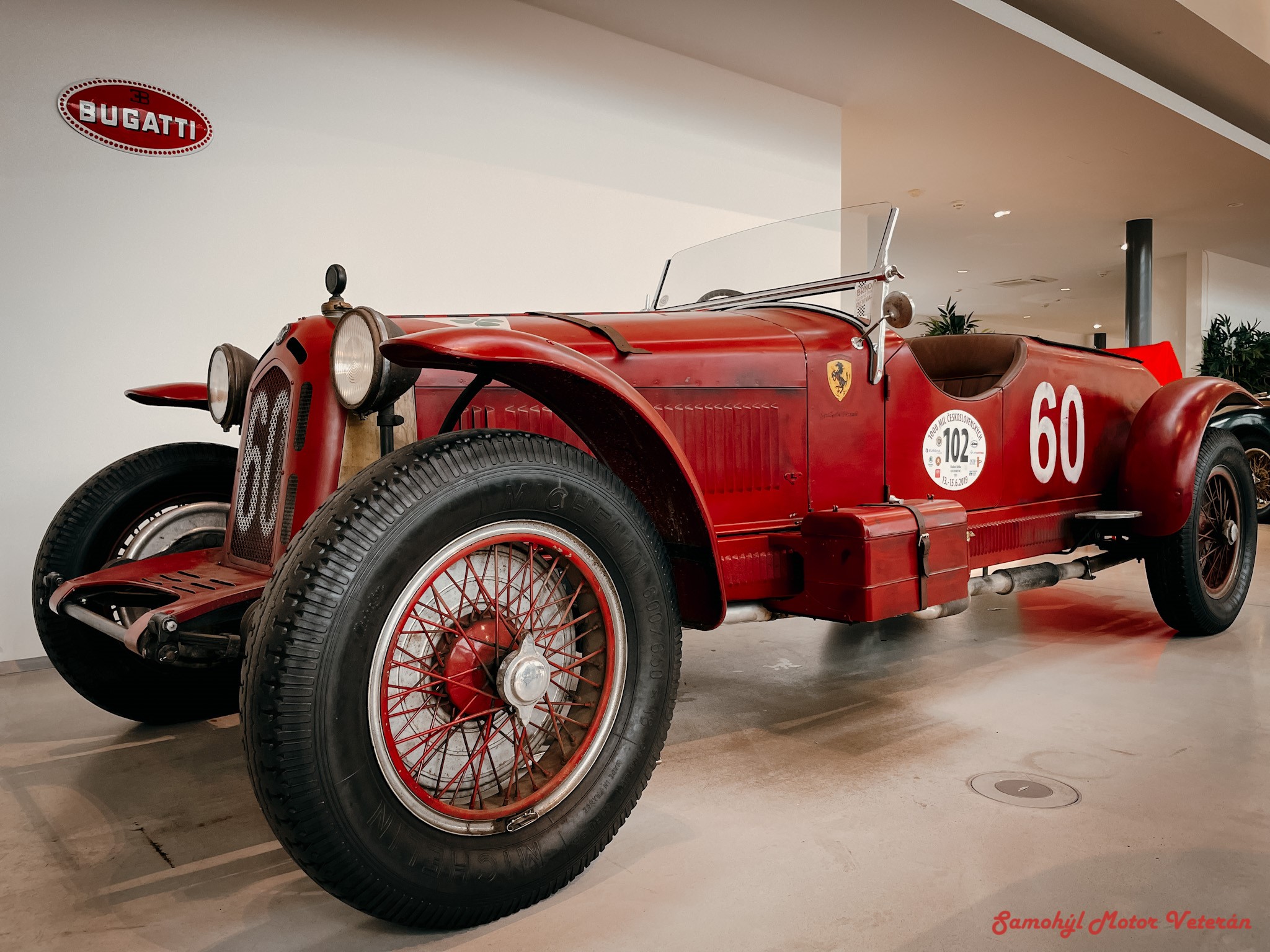
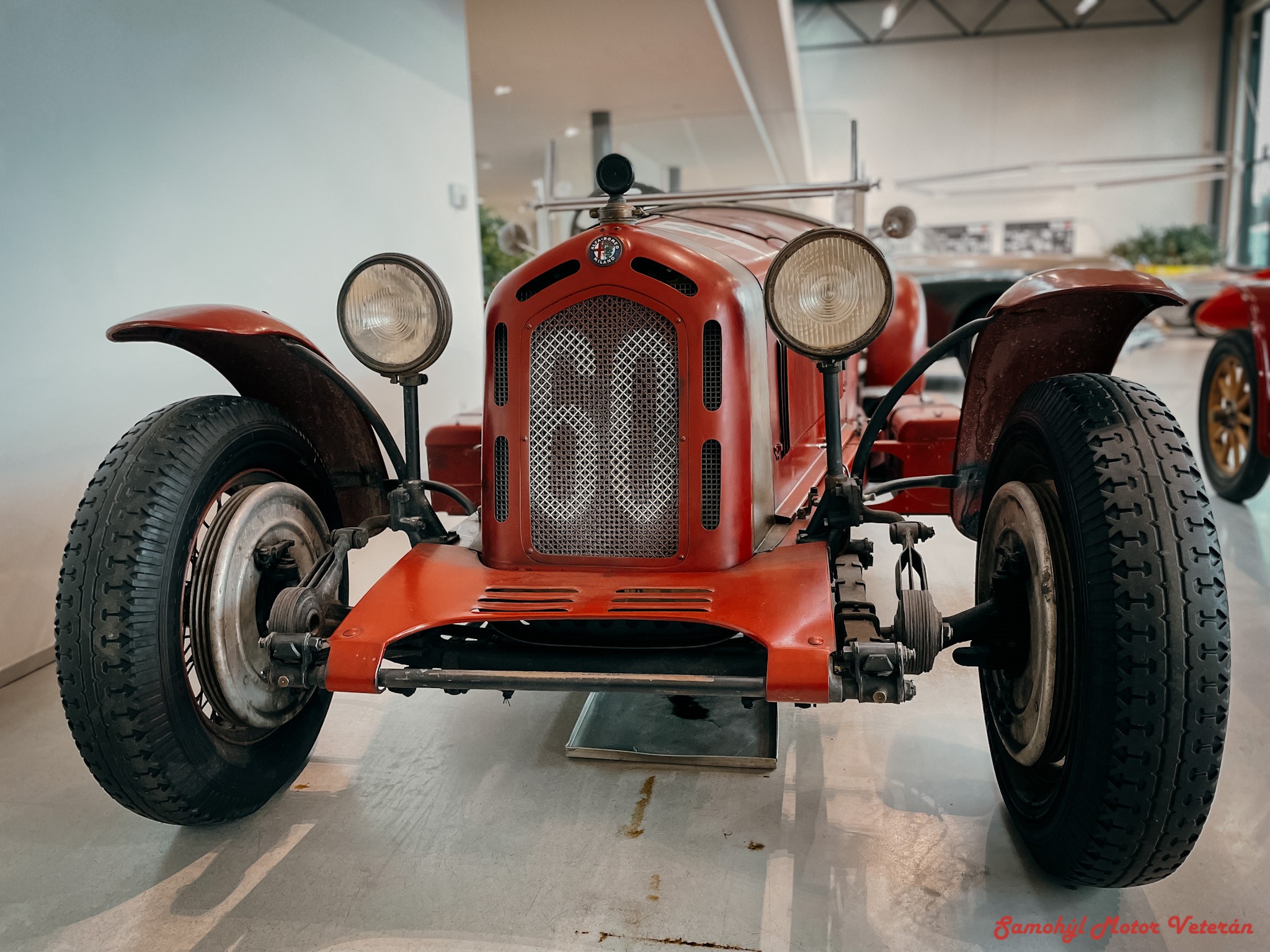
The Alfa in our collection is a rare car. It is the Monza version, but on the longer Le Mans chassis.
The chassis number ends with 14 and is traceable in original Alfa Romeo factory records. The car was originally ordered by Enzo Ferrari when he operated his racing team with these cars before Ferrari cars existed. That is why the Ferrari badge is on the car.
Mr. Ladislav Samohýl found the chassis in a private British collection depot, where it had been since the late 1960s, while searching for parts for the Alfa Romeo 6C. After three years of negotiations, he bought and renovated the chassis. The original engine was found in Argentina, where it was taken after the war. This created an original car, fully functional and participating in various veteran races.